4-2 Volleyball Rotation Simulator
The 4-2 pairs two setters with four primary hitters in a structure many JV and youth teams learn first. Setters usually work from the front row in the classic model while the team still rotates through all six positions and respects overlap rules at the serve.
When athletes are ready for more tempo, compare the 5-1 rotation or 6-2 rotation. For court zones and diagrams, open the volleyball rotation simulator overview, then use the volleyball rotation app for deeper lineup workflows.
What Is the 4-2 Rotation?
The label 4-2 describes an offensive system: typically four attackers and two setters who share front-row setting in the usual teaching progression. Each setter runs the offense from zone 2 or 3 while front row, then passes and defends like other back-row players after rotating back.
After your team wins a rally on the opponent’s serve, players rotate one position clockwise. At the moment of serve, overlap rules still apply: front-row players must be closer to the net than the back-row players directly behind them, with correct left-to-right order in each row.
How to Use This 4-2 Simulator
Open the lineup generator or signed-in game plan. Enter serving order, place both setters and four hitters, then step through each rotation. The tool shows when each setter is front row versus back row and flags illegal overlaps so beginners learn the correct left-right and front-back picture at the serve.
Print or share the diagram with parents and assistants so everyone uses the same vocabulary during the season.
Try the Rotation Simulator
Model legal 4-2 lineups in Rotate123: see all six rotations, drag players into zones, and rehearse stacks before you step on the court. No signup is required for the public lineup generator.
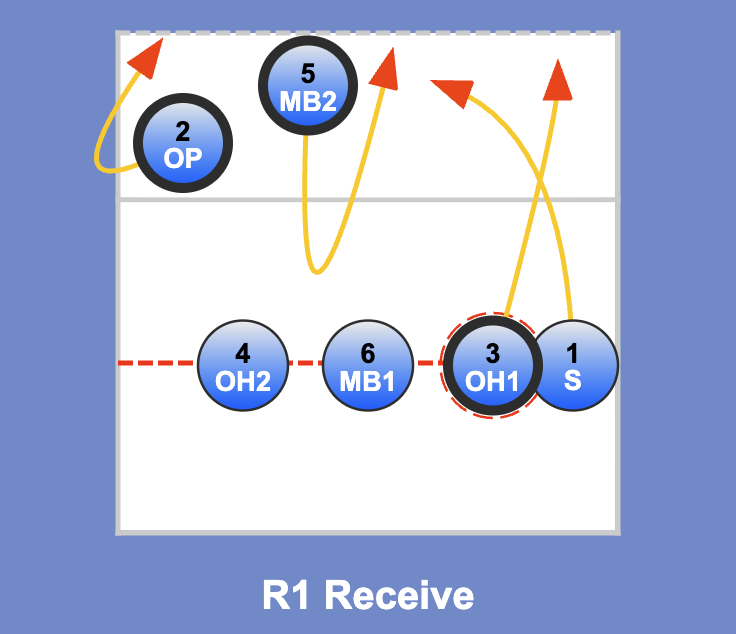
Plan 4-2 rotations visually and validate overlap before matches.
4-2 Rotation Positions by Rotation Number
Rotation numbers track service order, not a single static spot for each jersey. In a 4-2, whichever setter is front row in a given rotation is usually your playmaker for that phase, while the other setter waits to take over after the next rotations.
Rotation I: Your lineup card fixes who starts in each zone; verify overlap pairs before the server contacts the ball.
Rotation II–VI: Each sideout advances the team clockwise. Mapping all six in the simulator shows when each setter is setting versus passing and when your pins and middles are front row for blocking and attack.
Rules and Overlap Basics
Illegal overlaps are the most common service-order fault for developing teams. Train players to confirm front versus back with the partner behind or in front of them and left versus right with adjacent teammates in the same row before the serve.
After serve contact, athletes may sprint into receive or defensive shapes. Diagramming legal starting positions alongside those releases prevents unnecessary whistles and builds habits that carry into 5-1 or 6-2 transitions later.
Who Should Use the 4-2 System?
Coaches often start in a 4-2 when athletes need clear roles and fewer back-row setting decisions than a 5-1 demands. It fits JV, middle school, and beginner club groups where two athletes can share setting responsibility from the front row.
As setters mature and passers handle faster serves, many programs move toward a single-setter system. The right season to switch depends on skill level and depth, not a fixed age rule.
4-2 vs 6-2 vs 5-1: A Quick Comparison
The 4-2 usually keeps both setters in the front row in the classic teaching model, which simplifies reads for younger athletes. The 6-2 rotation typically uses two setters who set from the back row so you often show three dedicated front-row attackers plus a back-row setter in system. The 5-1 rotation commits to one setter who runs the offense from every rotation, including the back row.
All three systems still rotate through the same six positions and use identical overlap rules at the serve. Pick based on setter depth, desired tempo, and how much front-row pressure you need each rotation.
Frequently Asked Questions
What is a 4-2 rotation in volleyball?
A 4-2 offense uses four primary attackers and two setters who share responsibilities while your team rotates through all six positions. In the usual teaching model each setter runs the offense from the front row and passes or defends when back row, which keeps back-row setting reads simpler than a 5-1. After each sideout on the opponent serve, the team still rotates clockwise one position. The numbers name roles in the system, not a different court layout. Younger and JV groups often learn this structure first.
Is the 4-2 rotation good for beginners?
Yes. The 4-2 is a common starting offense because setters work from the front row in the classic model, so athletes see clear setting windows without managing full back-row setting every rotation. Passing and defensive responsibilities still rotate normally, but play calls stay easier for developing athletes. As setters mature and tempo needs rise, many teams graduate to a 5-1 or 6-2. Pairing the system with a visual lineup tool helps beginners memorize legal stacks at the serve.
How does the 4-2 differ from the 5-1?
A 4-2 uses two setters who usually set from the front row in the traditional teaching progression, while a 5-1 uses one setter who sets from every rotation including the back row. That single setter leads tempo for the whole match in a 5-1, whereas the 4-2 spreads setting reps between two players. Both offenses still follow the same six-position rotation cycle and overlap rules at the serve. Teams move toward 5-1 when one setter is ready to run the entire match at the speed they need.